
Essential RV & Adventure Van Maintenance Tips

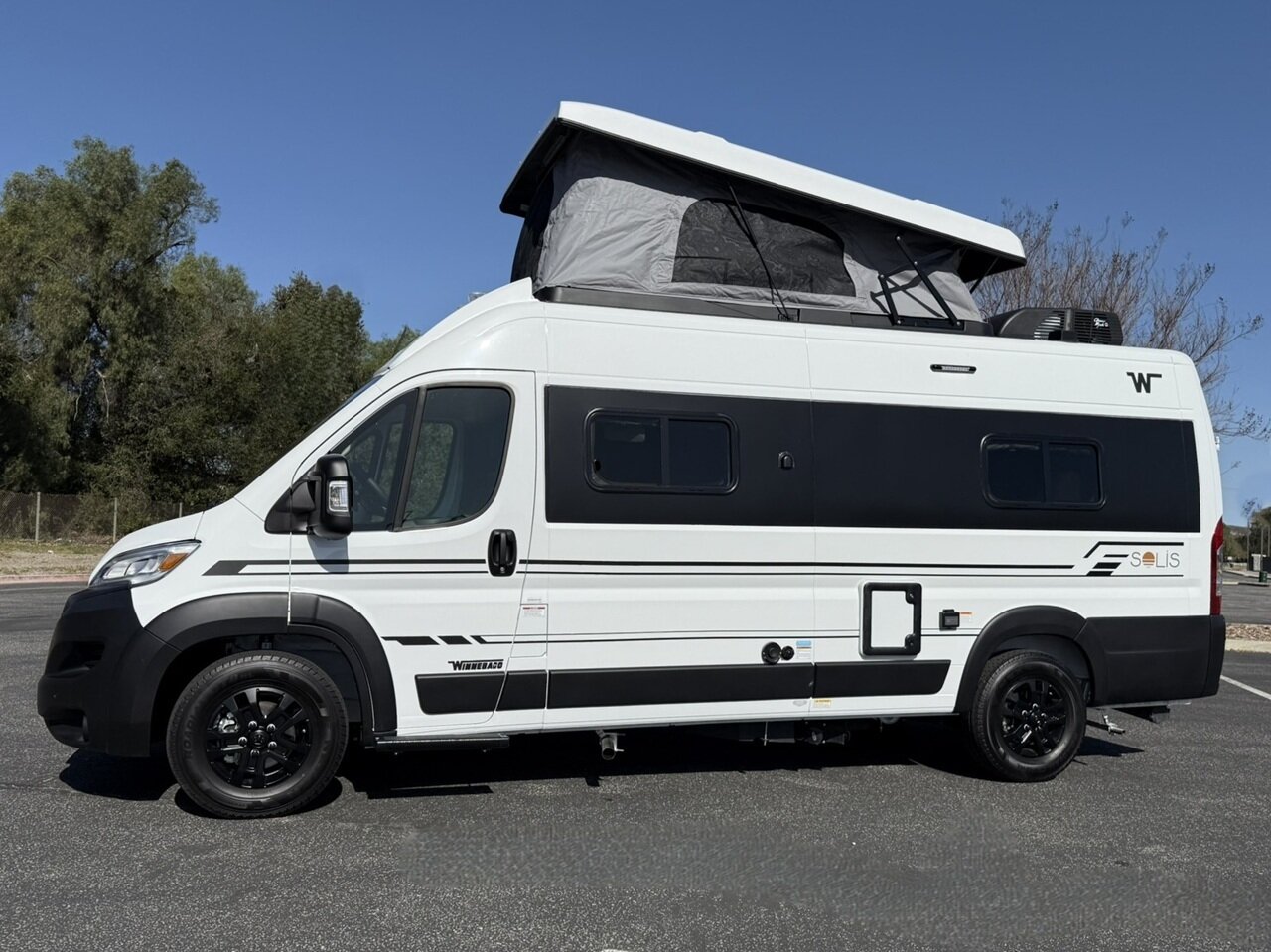
At Conejo RV, we know that buying your dream adventure van is just the beginning of the journey. Whether you are driving a Winnebago, a Storyteller Overland, a Tiffin, a Roadtrek, or a Coachmen on a Mercedes Sprinter or Ram ProMaster chassis, keeping your rig in top shape ensures that you are always ready for the open road.
Follow these essential maintenance tips to keep your camper van or Class B/C RV running smoothly, safely, and efficiently for years to come.
1. Engine & Chassis Care (Sprinter & ProMaster)
The chassis is the foundation of your adventure. We carry a wide variety of vehicles built on robust platforms like the rear-wheel/AWD Mercedes-Benz Sprinter and the front-wheel-drive Ram ProMaster.
-
Routine Oil & Filter Changes: Always stick to the manufacturer's recommended service intervals. For the ProMaster's 3.6L Pentastar V6 gas engine, high-quality synthetic oil is highly recommended to withstand the constant heavy payload of an RV upfit. For Sprinter turbo-diesels, consistent DEF fluid top-offs and specialized oil changes are non-negotiable.
-
Fluid & Transmission Checks: Regularly inspect your brake, power steering, and engine coolant fluids. Note that the ProMaster transmission is a sealed unit—if you are frequently driving fully loaded in high heat or mountainous terrain, have a professional inspect and potentially change the transmission fluid sooner than the standard 60,000-mile mark.
-
Listen and Feel: Pay attention to how your van drives. If you notice unusual vibrations or hear new sounds, have a certified mechanic check it out before your next big trip.
2. Battery & Electrical Systems
Modern adventure vans are packed with incredible technology, from massive lithium power banks to rooftop solar arrays.
-
Lithium System Care: If your van is equipped with a lithium battery system (like the Lithonics setups we carry), ensure you keep it charged according to the manufacturer's guidelines. Avoid leaving lithium batteries fully depleted in freezing temperatures.
-
Solar Panel Cleaning: Dust and debris can significantly reduce the efficiency of your solar panels. Wipe them down gently with a microfiber cloth and soapy water to maximize your off-grid power.
-
Generator Maintenance: If your rig has an onboard generator (like the 2.8KW Onan found in many of our Winnebago Solis models), run it under at least a 50% load for about an hour every month. This keeps the carburetor clean, fuel from gumming up, and internal parts properly lubricated.
3. Tire Health, Alignment & Brakes (Crucial for FWD)
Your tires and brakes carry a lot of weight, literally. Proper maintenance here is arguably your most important safety check, especially on ProMaster builds.
-
The Front-Wheel-Drive Factor: Because the Ram ProMaster is a front-wheel-drive chassis, the front tires handle steering, braking, and power delivery while pushing a heavy RV upfit. Regular tire rotation and balancing are absolutely critical to prevent premature, uneven front-tire wear.
-
Check Tire Pressure: Tire pressure fluctuates with temperature changes. Always check your pressure when the tires are cold, and adjust it based on the heavy load of your fully packed RV. ProMaster RVs require much higher PSI than standard passenger vehicles.
-
Brake Wear: Because your van is constantly hauling the equivalent of a small house, the brake pads and rotors work overtime. Have your brakes visually inspected at every single oil change to catch excessive wear before it becomes a hazard.
4. Water Systems & Plumbing
There is nothing worse than plumbing issues while you are off the grid. Keep your water systems fresh and flowing.
-
Sanitize Your Fresh Water Tank: At least twice a year, sanitize your fresh water system using a highly diluted bleach solution or an RV-specific water system cleaner to prevent bacteria buildup.
-
Flush the Black and Grey Tanks: Empty your tanks only when they are at least two-thirds full to ensure enough gravity and pressure to clear out waste. Always use RV-safe toilet paper and drop in enzyme treatments to break down solids and eliminate odors.
-
Winterize: If you store your RV in a climate that drops below freezing, you must winterize your plumbing lines with non-toxic RV antifreeze or by blowing the lines out with an air compressor to prevent cracked pipes.
5. Exterior Seals & Roof Care
Water intrusion is the number one enemy of any RV. Staying ahead of leaks will save you thousands of dollars down the road.
-
Inspect Roof Seals: Climb up and inspect the seals around your AC unit, vent fans, and solar mounts every few months. Look for cracks or peeling in the lap sealant and touch them up immediately.
-
Care for Pop-Tops and Awnings: If your van has a pop-top (like the Solis 59P) or an awning, brush off leaves and debris before closing them. Never roll up a wet awning or close a wet pop-top tent if you can avoid it, as this leads to mold and mildew.
If you have any questions or need any further information, please call us at 805-496-8700 or visit our showroom at 661E. Thousand Oaks Blvd. Thousand Oaks, CA.
